Katja Jung · 28 September 2026
Examining Domain Transition Effects on Content Discovery Patterns in Specialized Online Communities
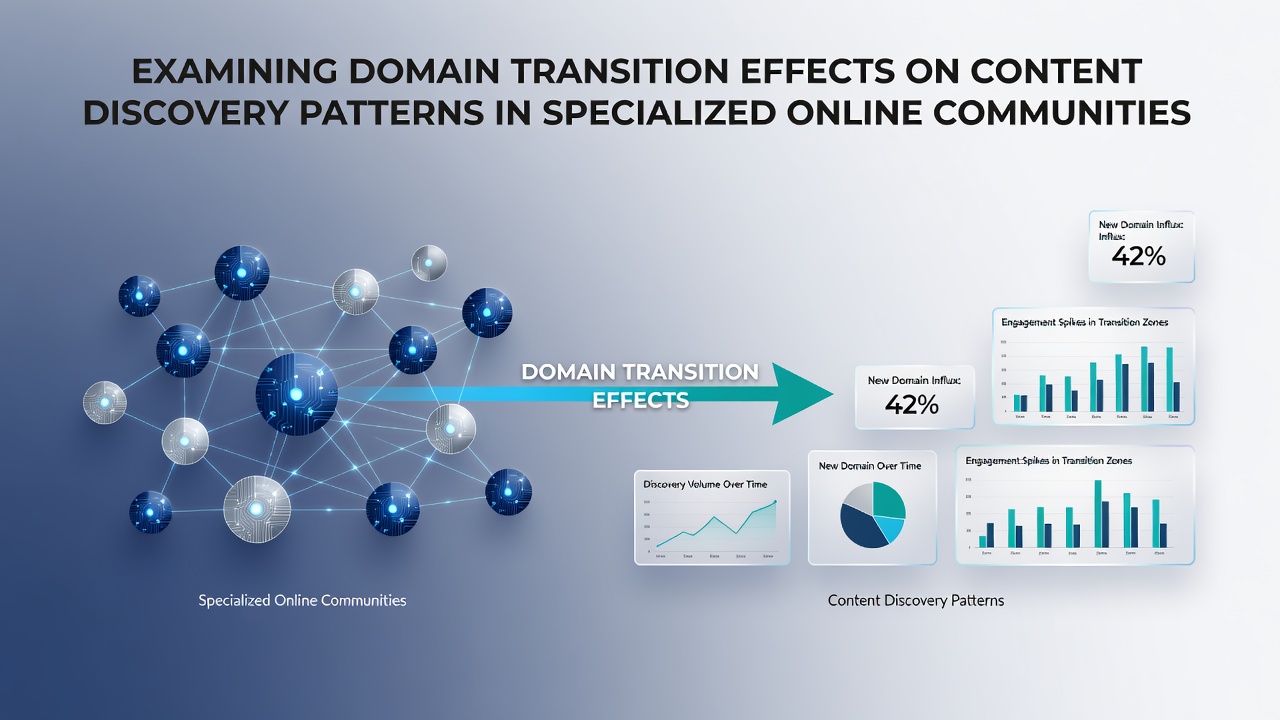
Domain transitions in specialized online communities often trigger measurable changes in how users locate and engage with content, and researchers tracking these shifts have documented patterns across forums, wikis, and member-driven platforms. When a community relocates its primary domain, search engine indexing frequently experiences temporary disruptions while crawlers reprocess the new URLs, and data from multiple migration events shows that recovery timelines vary based on the scale of the move and the technical implementation of redirects.
Technical Foundations of Domain Changes
Administrators who initiate a domain transition typically implement 301 redirects to preserve existing link equity, yet the effectiveness of these measures depends on consistent application across all subpages and resources. Studies conducted by academic institutions such as those affiliated with the Association for Computing Machinery have recorded that incomplete redirect chains lead to increased bounce rates in the initial weeks after migration, while communities that maintain parallel sitemaps and update internal navigation structures experience faster restoration of discovery pathways. In September 2026 several niche hobbyist networks completed coordinated domain updates, and subsequent analytics revealed that sites employing HTTPS enforcement alongside canonical tags recovered organic referral traffic within 14 to 21 days on average.
Alterations in User Navigation Behaviors
Community members accustomed to direct domain access sometimes encounter friction during the transition period, and observers note that bookmark updates plus search engine habit adjustments contribute to short-term declines in repeat visits. External search remains a primary discovery channel for many specialized groups, so alterations in ranking signals after a domain change directly influence visibility of archived threads and new posts alike. Evidence from longitudinal tracking indicates that platforms incorporating structured data markup for content categories retain higher click-through rates from search results compared with those relying solely on textual signals during the reindexing window.
Role of External Referrers and Link Ecosystems
Backlinks originating from partner sites, aggregator directories, and social media channels require systematic updates when a domain changes, and organizations that audit these connections prior to migration preserve referral volume more effectively. Research reports published by the Internet Society highlight that communities maintaining active outreach to external link providers experience reduced fragmentation of discovery traffic, whereas passive approaches correlate with slower reestablishment of inbound pathways. One documented instance involved a technical discussion board that coordinated link notifications across 180 external domains, resulting in sustained external referral percentages that matched pre-transition levels within six weeks.
Internal Search and Recommendation Systems
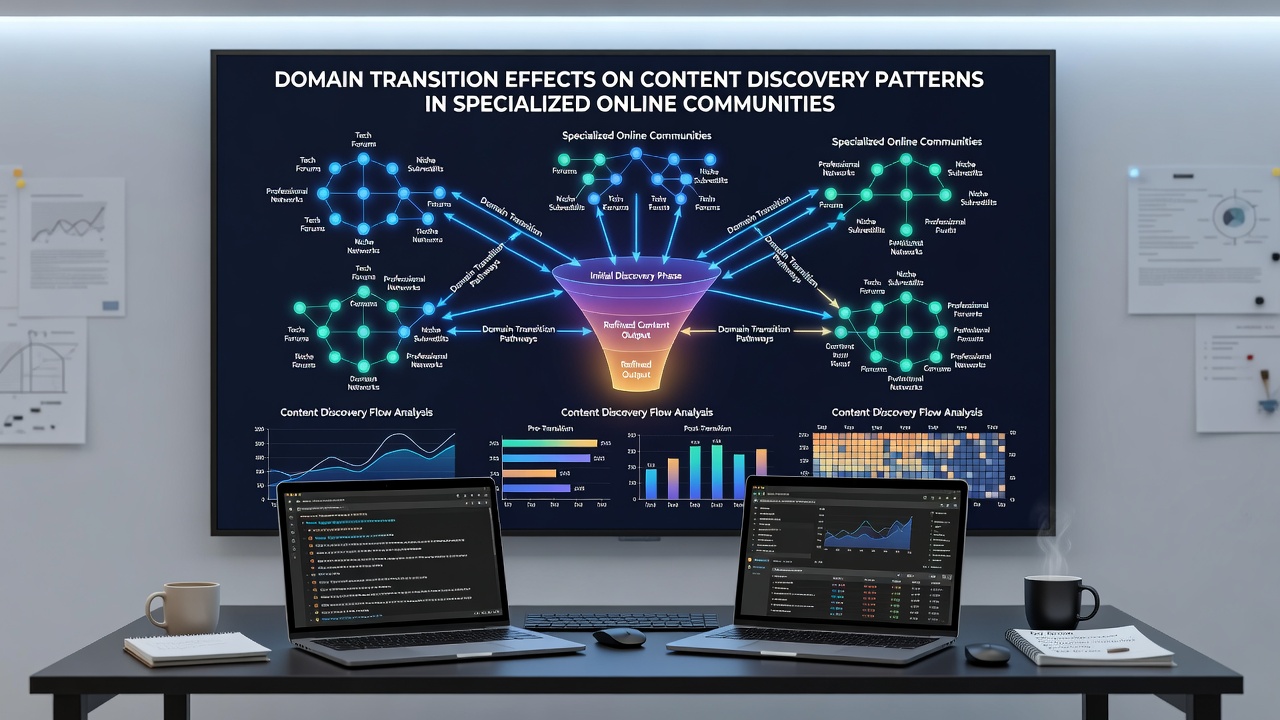
Many specialized communities operate proprietary search functions alongside external engines, and these internal tools often require separate reconfiguration during domain transitions to avoid broken result sets or outdated indexing. Data indicates that teams updating their Elasticsearch or equivalent indexes concurrently with the domain switch maintain consistent intra-site discovery rates, while delayed updates produce measurable drops in page views per session. Observers have recorded that recommendation algorithms relying on historical URL patterns exhibit temporary degradation until retraining incorporates the new domain structure, and communities that schedule such retraining in advance demonstrate smoother continuity.
Geographic and Demographic Variations in Recovery
Recovery patterns differ across regions because search engine market share and user behavior vary, and reports compiled by Canadian research initiatives on digital infrastructure show that communities with predominantly North American audiences sometimes rebound faster than those serving international members due to differences in crawler prioritization. European data protection frameworks also influence how user tracking resumes post-migration, requiring explicit consent mechanisms that can further modulate discovery analytics. Figures from multiple case reviews reveal that platforms serving multilingual audiences benefit from hreflang tag implementation, which helps search engines associate equivalent content across language versions after a domain shift.
Long-Term Content Visibility Trends
Over extended periods, communities that treat domain transitions as opportunities to refresh metadata, improve mobile responsiveness, and consolidate duplicate content frequently achieve higher baseline discovery metrics than their pre-transition states. Academic analyses of forum migrations indicate that sustained attention to crawl budget allocation and XML sitemap accuracy supports continued growth in indexed pages, even when initial disruptions occur. Those who monitor core web vitals alongside traditional traffic metrics gain additional insight into how domain changes interact with user experience signals that search engines increasingly weigh.
Conclusion
Domain transitions reshape content discovery patterns through a combination of technical, behavioral, and structural factors, and systematic preparation across redirects, internal systems, and external linkages consistently correlates with faster stabilization. Ongoing measurement of referral sources, search rankings, and session metrics provides communities with actionable visibility into the progression of recovery, allowing administrators to address remaining friction points as they emerge.