Mara Koch · 12 October 2026
Registry Transitions Reshape How Hobbyist Digital Collections Maintain Their Visibility in Search Systems Over Time
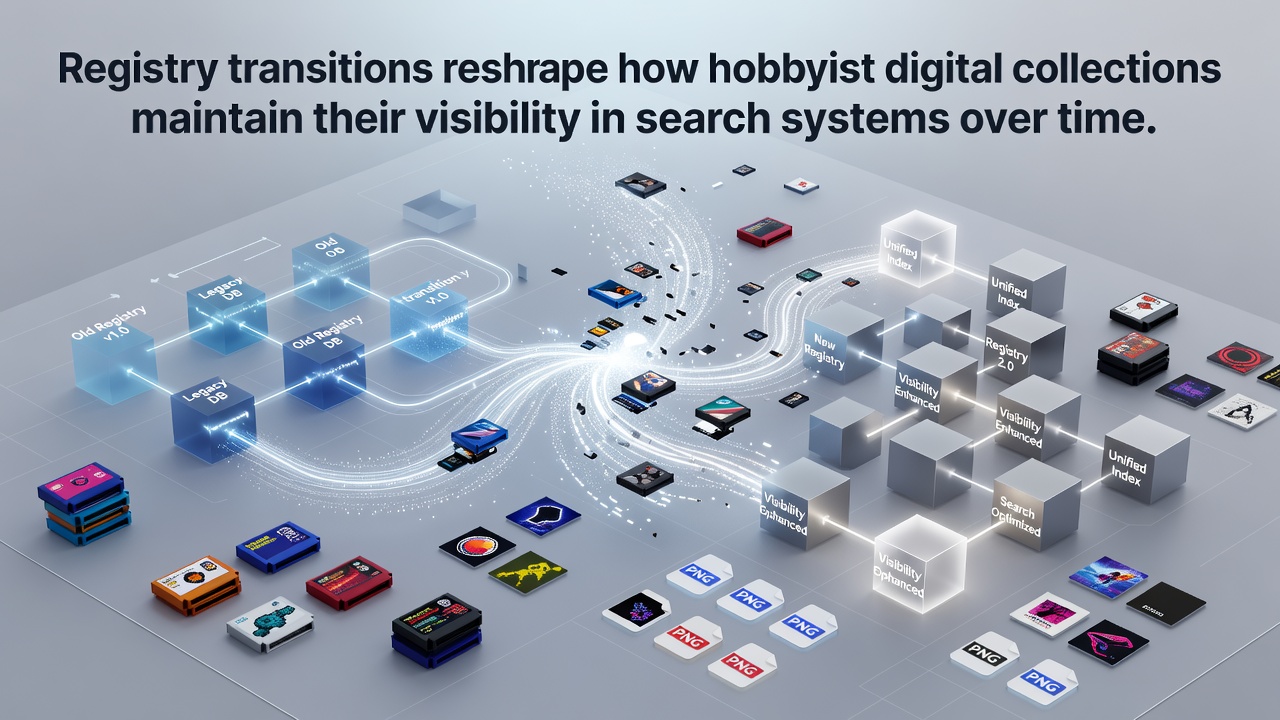
Registry transitions occur when domain registrars or top-level domain operators update their systems, transfer ownership records, or implement new compliance protocols, and these shifts alter how search engines crawl and rank sites dedicated to hobbyist digital collections such as virtual stamp archives, pixel art repositories, and online trading card catalogs. Observers note that such changes affect URL stability, metadata consistency, and crawl frequency, which in turn influence long-term visibility in search results. Data from domain management platforms indicate that hobbyist sites experience temporary drops in indexed pages during transition periods, yet many recover once DNS propagation completes and search algorithms re-evaluate content freshness.
Mechanics of Registry Transitions
Domain registry transitions involve updates to WHOIS records, name server configurations, and registrar locks, each of which can interrupt the continuous flow of information that search engines rely upon for ranking decisions. Researchers at academic institutions have documented cases where hobbyist collection sites lost positions in organic results after a registrar switch because the associated IP address changes triggered re-crawling delays. These events unfold gradually rather than instantaneously, and figures reveal that full propagation across global DNS resolvers often requires several days, during which search bots may encounter inconsistent responses. One documented example involved a community-maintained digital coin catalog that underwent a registry update in early 2025, after which its sitemap submission required manual re-verification to restore previous indexing levels.
Effects on Search Visibility Over Extended Periods
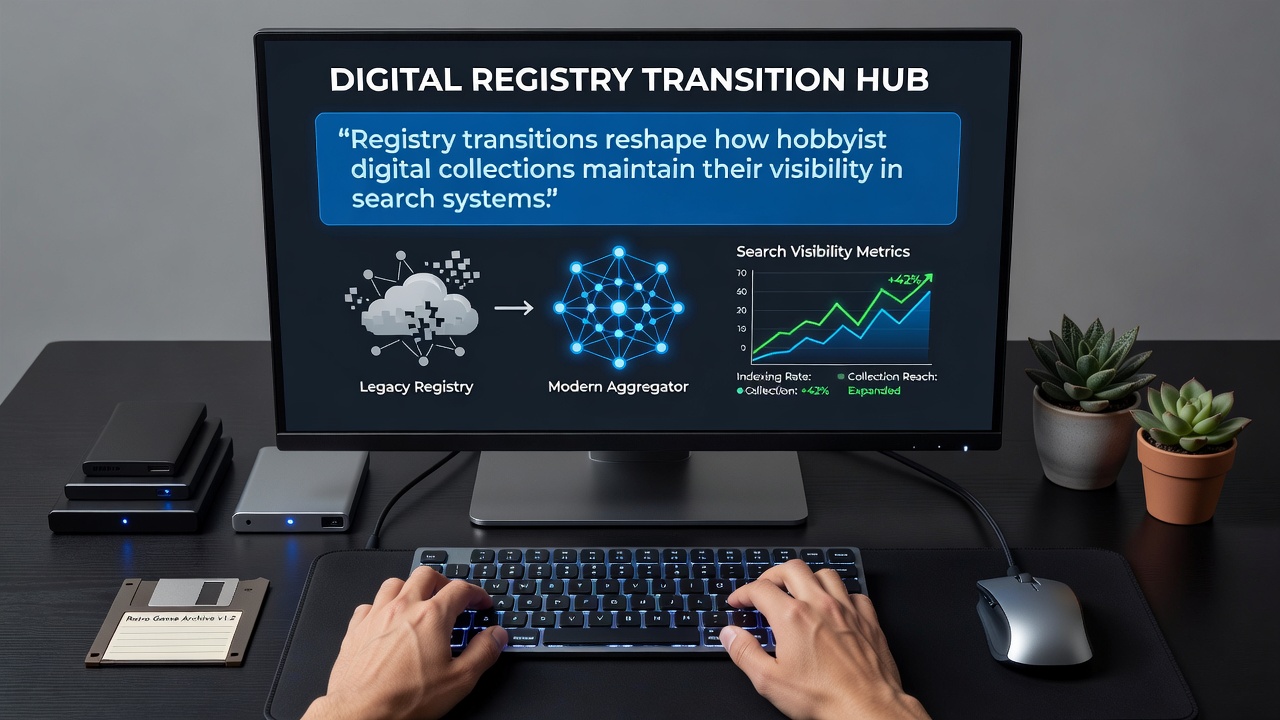
Search systems apply temporal signals when evaluating site authority, and registry transitions introduce discontinuities that algorithms interpret as potential indicators of content relocation or ownership change. Studies tracking hobbyist platforms show that visibility metrics, measured by impressions and click-through rates, typically decline for 30 to 90 days post-transition before stabilizing. Data indicates that sites maintaining consistent internal linking structures and updated XML sitemaps experience shorter recovery windows compared with those that neglect these elements. In October 2026, several major registries plan to enforce stricter contact verification requirements, a development expected to affect thousands of hobbyist domains simultaneously and prompt widespread re-submission of verification tokens to maintain uninterrupted crawl access.
Case Observations from Digital Hobby Communities
One study revealed that a network of model train enthusiasts operating regional collection databases encountered ranking volatility after their domains moved between registrars in different jurisdictions. The transition altered the geographic signals associated with the sites, causing search engines to adjust local result placement for users querying specific collection terms. Observers note that sites which preserved historical backlink profiles through proper 301 redirect chains recovered faster than those that allowed link equity to dissipate during the move. Another instance involved a vintage software preservation project whose registry transition coincided with an algorithm update, compounding the visibility impact and extending the recovery period beyond the typical 90-day window.
Technical Factors That Influence Recovery
Technical elements such as TLS certificate continuity, canonical tag accuracy, and robots.txt directives play measurable roles in how quickly search systems re-establish trust signals after a registry change. Research indicates that hobbyist sites employing automated monitoring tools detect crawl errors earlier and therefore implement corrective actions before indexing gaps widen. Those who studied this know that maintaining identical content hashes across mirrored servers helps search algorithms recognize the collection as unchanged despite the underlying registry shift. External documentation from ICANN outlines best practices for minimizing disruption during such transitions, while reports from the Canadian Internet Registration Authority provide additional regional guidance on contact record accuracy that hobbyist operators frequently reference.
Longitudinal tracking further demonstrates that visibility patterns follow a predictable curve: an initial dip, a plateau during re-evaluation, and a gradual return to prior levels provided no other ranking factors intervene. Hobby sites that publish regular collection updates during the transition period often retain more user engagement metrics, which search systems weigh alongside technical signals. And because hobbyist collections frequently rely on user-generated tags and metadata, any interruption in these data streams can delay the re-indexing of newly added items.
Conclusion
Registry transitions continue to reshape visibility trajectories for hobbyist digital collections by introducing temporary disruptions in crawl behavior and ranking continuity. Evidence from multiple tracking initiatives shows that proactive management of technical redirects, verification records, and content freshness mitigates longer-term effects. As additional policy adjustments approach in October 2026, operators maintain focus on documented procedures that preserve search presence across successive registry events.